
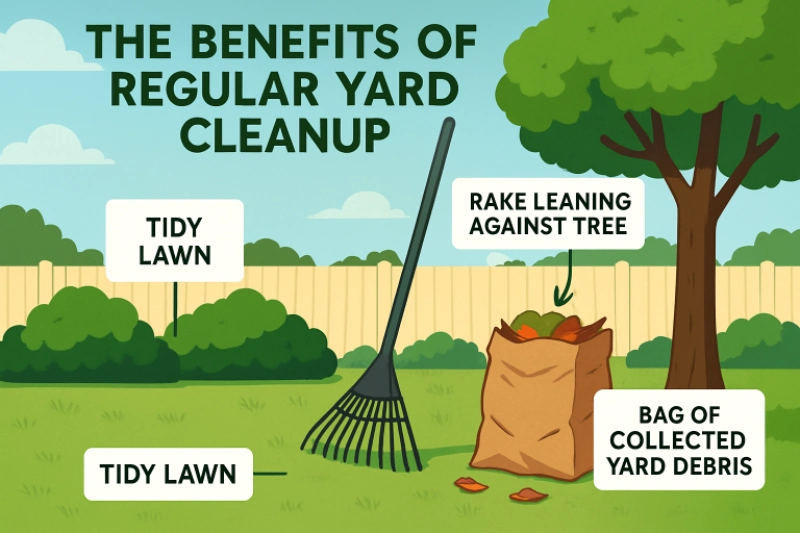

Key Takeaways
- Regular yard maintenance helps prevent pest infestations and plant diseases that can spread quickly.
- Clean yards support environmental sustainability by minimizing pollution and waste.
- Well-groomed outdoor spaces increase property value while making neighborhoods more attractive and safer.
Table of Contents
- Prevents Pest Infestations
- Reduces Plant Diseases
- Enhances Soil Health
- Improves Airflow and Sunlight Exposure
- Supports Local Ecosystems
- Boosts Property Value
- Promotes Community Well-Being
- Conclusion
Maintaining a clean and organized yard is more than just an aesthetic choice; it is essential for promoting environmental health, boosting property value, and enhancing community well-being. Consistent yard cleanup involves removing debris, managing plant growth, and keeping outdoor areas safe and functional. Adopting these habits goes far beyond making your home look attractive and plays a significant role in protecting local ecosystems and fostering sustainable living.
Taking care of your outdoor space helps keep pests and diseases in check, protecting not only your garden but also the health of your family and neighbors. Debris buildup can undermine soil quality and create habitats for unwanted pests, so regular maintenance establishes a foundation for robust plant growth and a vibrant outdoor environment.
Furthermore, a tidy yard contributes to neighborhood pride and encourages community engagement. People are more likely to spend time outdoors and interact with neighbors when their surroundings are pleasant and inviting. These efforts also reduce the risk of tripping over debris and diminish allergens that can build up when organic matter decays.
In addition to routine cleanup, implementing professional landscaping solutions can help promote biodiversity and sustainably manage your property. Well-planned landscaping ensures your yard remains healthy, functional, and appealing year-round.
Prevents Pest Infestations
Allowing leaves, grass clippings, and other organic matter to accumulate in your yard creates ideal conditions for unwanted pests, including insects and rodents. For example, thick piles of leaves provide protection and breeding sites for mosquitoes, ticks, and other insects that can carry diseases harmful to humans and pets. Regularly clearing away debris interrupts the life cycle of these pests and reduces their ability to take hold in your outdoor spaces. According to the Environmental Protection Agency, proper yard maintenance is an effective way to limit mosquito populations and control pest-related diseases.
Reduces Plant Diseases
Plant diseases often spread silently through gardens via decaying matter and overcrowded plant clusters. Removing dead foliage promptly and pruning branches that show signs of infection prevents fungi and harmful bacteria from finding a haven and infecting healthy plants. Regular cleanup ensures that your yard maintains a high standard of plant health and reduces the long-term costs or losses associated with the spread of disease. The American Phytopathological Society highlights that sanitation and removal of infected material are vital to disease management in home landscapes.
Enhances Soil Health
The yard cleanup process, which includes aerating compacted soil and removing excessive thatch, directly benefits soil structure. When you reduce debris and old plant matter, soil nutrients become more accessible to roots, allowing for more resilient, productive plants. The addition of composted organic material further enriches the soil, promotes healthy root systems, and reduces the need for synthetic fertilizers. Healthy soil is critical to sustainable gardening and helps create a balanced ecosystem in your yard.
Improves Airflow and Sunlight Exposure
Overgrown shrubs, tangled beds, and excessive mulch can prevent sunlight from reaching plants and inhibit air movement. These conditions often result in a damp, stagnant environment where mold and mildew can thrive. Pruning, thinning, and removing obstacles improve air circulation and light penetration, both of which are essential for optimal plant growth and preventing common garden diseases. This also enhances the comfort and usability of your outdoor space for family gatherings or relaxation.
Supports Local Ecosystems
Yard cleanup, when done responsibly, helps nurture local ecosystems. By maintaining gardens with a mix of native plants, you provide important resources for pollinators, birds, and beneficial insects. These species rely on clean, pesticide-free environments to thrive. Additionally, reducing waste sent to landfills and limiting chemical use helps prevent water pollution and supports regional biodiversity.
Boosts Property Value
First impressions matter, and a well-maintained yard significantly enhances your property’s curb appeal. Potential buyers are typically drawn to homes with tidy, well-kept exteriors, which can make a notable difference in real estate transactions. Studies indicate that proper landscaping and consistent yard upkeep can increase home values by 10 to 12 percent compared to neglected properties.
Promotes Community Well-Being
Clean outdoor spaces are a source of pride and safety in any neighborhood. When homeowners and residents care for their yards, it encourages others to do the same. This collective effort leads to attractive streetscapes, increases opportunities for outdoor activities, and can even help reduce local crime rates, as well-maintained environments are less likely to attract vandalism or neglect.
Conclusion
Regular yard cleanup is a foundational aspect of responsible property management with far-reaching benefits. It not only stops pests and diseases from taking over but also keeps soil healthy, enhances your home’s appearance, and supports the well-being of your community. By embracing these practices as part of routine home care, you foster a sustainable, attractive, and healthy outdoor environment for everyone.