
Key Takeaways:
- Algae and moss can significantly reduce a roof’s lifespan by retaining moisture and causing material deterioration.
- Regular maintenance and preventive measures are essential to mitigate the damaging effects of these organisms.
- Understanding the specific impacts on different roofing materials can guide appropriate care and treatment.
Table of Contents
- Understanding Algae and Moss Growth
- Impact on Roofing Materials
- Structural Risks and Energy Efficiency
- Preventive Measures
- Professional Cleaning and Maintenance
- Conclusion
Introduction
Algal and moss growth are among the most overlooked threats to home roofs. These organisms thrive in damp, shaded areas, causing unsightly streaks and patches that go beyond surface-level issues. Homeowners dealing with these problems often wonder about the risks involved and the best ways to protect their property. Fortunately, solutions like roof cleaning can dramatically improve both the appearance and integrity of your roof.
Roof damage from algae and moss isn’t just about curb appeal. Over time, unchecked growth can compromise a house’s structural integrity, leading to costly repairs and energy inefficiencies. Understanding how algae and moss take hold and how they can be controlled is critical for anyone wishing to extend the life of their roofing investment.
Understanding Algae and Moss Growth
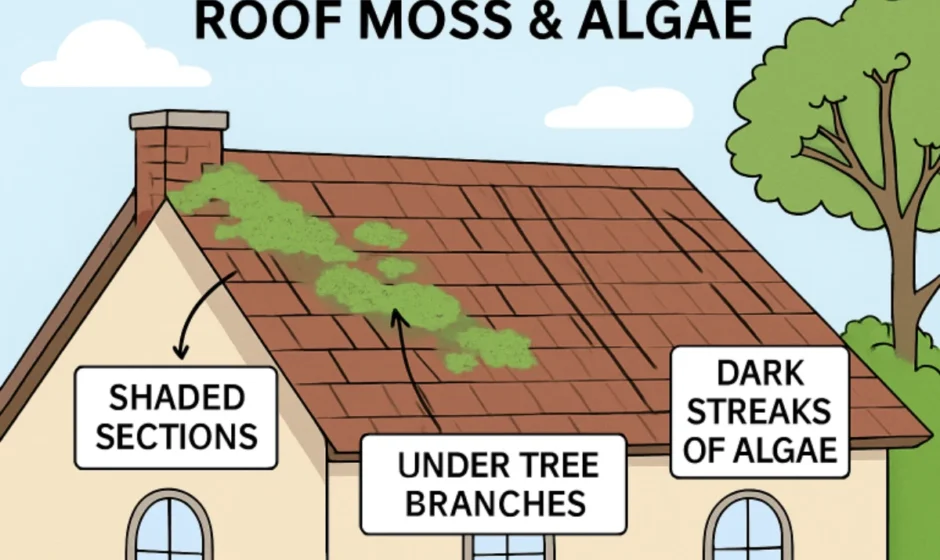
Algae, especially the species Gloeocapsa magma, can be identified by their characteristic black or dark green streaks that form across roof surfaces. These streaks are especially common in regions with high humidity or frequent rainfall. Moss, in contrast, appears as thick, cushiony clumps of green atop shingles or tiles. Both organisms thrive in environments that provide ample moisture and limited sunlight, such as areas shaded by tree branches or north-facing slopes of a roof.
The presence of moss and algae often points to underlying environmental conditions, such as overhanging trees, debris-filled gutters, or other factors that create a perpetually damp environment. Left unchecked, these growths can quickly develop from minor discoloration into thick, damaging mats that trap moisture next to roofing materials. In addition to dedicated roof cleaning, many property owners explore complementary techniques, such as pressure washing, to address growth on other exterior surfaces. However, proper methods and timing are essential; an aggressive approach could strip protective granules off shingles or dislodge tiles, accelerating wear and tear.
Impact on Roofing Materials
The relationship between algae, moss, and roofing materials is complex. Different surfaces experience unique vulnerabilities due to the biology of these organisms and the way water interacts with various materials:
- Asphalt Shingles: Asphalt’s composition provides a hospitable environment for both algae and moss. Moss can wedge itself beneath shingle edges, lifting them and allowing water infiltration, which, over time, leads to leaks and wood rot. Algae may not always cause immediate physical harm, but it can accelerate granule loss and shorten shingle lifespan.
- Wood Shingles: Because wood is porous and absorbs moisture, moss, in particular, poses a long-term threat. A moss mat on wood shingles holds water adjacent to the surface, promoting rot, creating soft spots, and even supporting the growth of lichens and fungi.
- Tile Roofs: Tile is generally more resistant to decay, but moss can form in the crevices—especially between overlapping tiles. During freeze-thaw cycles, retained moisture can expand within these crevices, cracking tiles and creating structural vulnerabilities that can lead to costly repairs.
Besides the material breakdown, discoloration caused by algae can affect home value and raise concerns for potential buyers or appraisers.
Structural Risks and Energy Efficiency
Algae and moss do not simply degrade roofing materials; the retained moisture threatens the underlying structure of the entire roofing system. Persistent dampness allows water to seep through small cracks, fostering wood rot in the roof deck and even compromising support beams. Over many months or years, this subtle infiltration can dramatically shorten a roof’s lifespan and escalate the risk of interior water damage. Furthermore, algae’s dark pigmentation absorbs more sunlight than a clean, reflective roof. This increase in heat absorption means the home’s cooling system has to work harder, especially during the summer, leading to higher energy bills and reduced overall efficiency. According to the U.S. Department of Energy, excess roof heat can significantly affect household comfort and energy expenditure
Preventive Measures
Prevention is the most effective strategy for controlling algae and moss growth on roofs. Homeowners should establish a semi-annual inspection schedule, particularly in spring and fall, to catch problems early. This allows for the removal of minor growth before it becomes a larger threat.
- Tree and Shade Management: Trim back overhanging tree limbs that shade the roof and drop organic debris. Increased sunlight helps dry out the roof surface and deters the colonization of moss and algae.
- Debris and Gutter Cleaning: Clean gutters and downspouts regularly to ensure effective drainage and prevent water pooling at the roof edge or in valleys.
- Targeted Roof Cleaning: Employ experts who understand the nuances of roof cleaning for different materials. Professionals utilize gentle yet effective solutions to minimize damage while eliminating existing growths.
Professional Cleaning and Maintenance
While DIY roof cleaning solutions exist, enlisting professionals ensures a comprehensive and safe approach. Certified teams have access to industry-approved cleaning agents and equipment designed to protect the integrity of roofing materials. They can also apply preventive treatments—such as protective coatings or zinc strips—that deter future algae and moss growth, saving homeowners on long-term repairs and repeated cleaning efforts.
Additionally, professional evaluations may identify developing issues, such as weak spots or minor leaks, before they escalate. Regular maintenance becomes an investment in the long-term value, safety, and energy efficiency of your property.
Conclusion
Algae and moss are far from harmless nuisances. They are active threats to roof longevity, energy performance, and home value. Through regular inspection, preventive maintenance, and trusted professional services, property owners can guard their roofing systems and maintain a sound, beautiful home for years to come. Taking preventive steps today not only wards off costly future repairs but also enhances the overall reliability and appeal of your largest investment.