
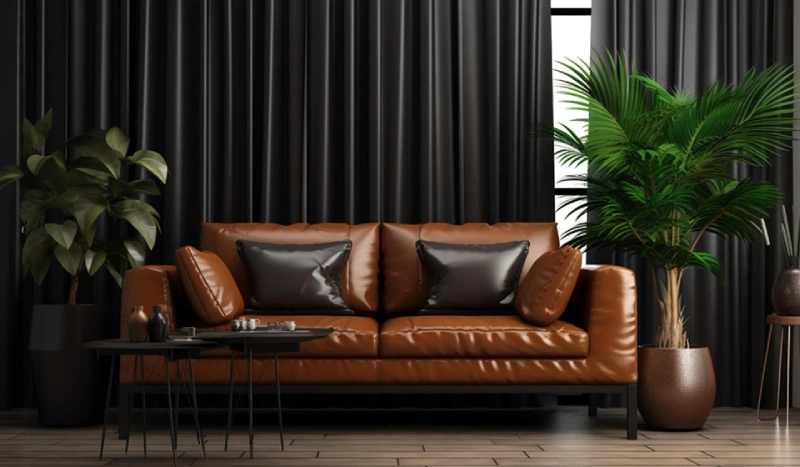

When searching for the perfect spot to relax after a long day, few pieces of furniture capture attention like a leather lounge suite. Its luxurious feel, timeless design, and ergonomic support make it more than just a seat. It becomes a space for rest, reflection, and even inspiration. But beyond the immediate comfort it provides, the relationship between comfort and creativity in furniture design is both profound and fascinating. Designers have long understood that how we interact with our furniture directly influences our mindset, productivity, and imaginative potential.
Why Comfortable Furniture Matters More Than Ever in Modern Homes
People today spend more time at home than ever before. Living rooms often double as social spaces, relaxation zones and even work areas. Bedrooms have become places not only for rest but also for reading, planning and unwinding after busy days.
Because of this shift, comfort has become a central priority in furniture design. Sofas, beds and chairs are no longer simply decorative elements. They must support the body, reduce strain and make everyday routines more enjoyable.
For instance, homeowners exploring options such as leather lounges to combine durability, comfort and timeless style for everyday living.
How Comfortable Spaces Encourage Creativity
A comfortable environment has a strong influence on the way people think and work. When a space feels welcoming and supportive, it becomes easier to focus, reflect and develop new ideas.
Soft seating, supportive cushions and thoughtfully arranged layouts create a sense of ease. This sense of ease allows the mind to relax, which often leads to greater creativity. Whether someone is reading, sketching, writing or simply reflecting, comfort plays a subtle but important role in the process.
Creative thinking often happens in moments of calm. Furniture that supports relaxation can help create those moments naturally.
The Psychology Behind Comfort in Living Spaces
Comfort goes beyond physical support. It also involves emotional and psychological responses to a space. Elements such as texture, shape and colour can strongly influence how a room feels and how people interact within it.
Soft fabrics, gentle curves and natural materials can instantly make a space feel more welcoming. Well-designed seating encourages people to relax and stay longer instead of constantly adjusting their position.
Furniture Design That Supports Everyday Wellbeing
Furniture plays a quiet but significant role in daily well-being. A comfortable chair can reduce strain during long periods of sitting. A supportive bed can improve sleep quality. A well-designed sofa can make shared moments with family more enjoyable.
For many homeowners, choosing the right lounge is about more than appearance. Comfort, durability and everyday practicality are just as important when selecting furniture that will be used regularly.
By focusing on how furniture is used in real life, it becomes easier to choose pieces that feel both practical and thoughtfully made.
Balancing Comfort, Style and Creativity in Modern Furniture
One of the biggest challenges in furniture design is balancing visual appeal with physical comfort. A beautiful piece may catch attention, but it must also perform well in everyday use.
Creative design allows these elements to work together. Elegant shapes, carefully chosen upholstery, and thoughtful proportions can transform a functional piece into a visual feature within a room.
This balance is particularly important in bedrooms. When people search for the right bed frames in Perth, they often want a bed that offers generous space and strong support while still complementing the style of the room.
Good design ensures that comfort never comes at the expense of appearance.
Designing Living Spaces That Inspire Relaxation and Creativity
Furniture influences how people move through and experience their homes. When seating is arranged to encourage conversation or quiet reflection, spaces feel more welcoming.
A comfortable lounge can become the centre of family life. A reading chair near a window can create a peaceful corner for personal time. Even small layout adjustments can transform the mood of a room.
Understanding how furniture fits into everyday routines helps create spaces that support both relaxation and creativity.
Modern Furniture Trends Focused on Comfort and Well-being
Several design trends today reflect the growing emphasis on comfort. Softer silhouettes, curved forms and layered textures are becoming increasingly popular in modern interiors.
Modular furniture is another important trend. Flexible seating systems allow homeowners to adjust layouts depending on their needs. This adaptability supports both social gatherings and quiet moments of rest.
Natural materials are also gaining attention. Timber, linen and leather bring warmth and authenticity to living spaces, making rooms feel more grounded and comfortable.
These trends show that comfort is no longer a secondary consideration. It is a central part of contemporary furniture design.
Tips for Choosing Furniture That Enhances Comfort and Creativity
When selecting furniture, it is helpful to think beyond appearance alone. Comfort, support and usability should all play a role in the decision.
- Consider the furniture’s purpose: A lounge for daily relaxation may need deeper seating and supportive cushions, while a bed should offer proper support and adequate space for restful sleep.
- Pay attention to materials: Durable fabrics and quality construction help furniture stay comfortable and last longer.
- Test proportions and support: Checking seating depth, back support, and overall dimensions can make a noticeable difference in comfort.
- Match lifestyle and style: Choosing furniture that fits your lifestyle and interior design creates spaces that feel natural and enjoyable.
Final Thoughts
Comfort and creativity are closely connected in furniture design. When furniture reflects the way people live, rest and interact within their homes, it naturally leads to more thoughtful and practical solutions.
Furniture that supports comfort does more than improve physical well-being. It shapes the atmosphere of a home, encourages relaxation and creates environments where creativity can thrive.
In homes throughout Perth, the most successful interiors are often those where comfort and design work together seamlessly. When furniture feels good to use and pleasing to look at, it becomes an essential part of everyday living.
Frequently Asked Questions
How does comfortable furniture influence creativity at home?
Comfortable furniture helps people relax, focus and think clearly, creating an environment where ideas and creativity can develop naturally.
Why is comfort becoming more important in modern furniture choices?
People spend more time at home, making supportive seating and restful beds essential for daily comfort and wellbeing.
How can furniture placement affect relaxation in living spaces?
Thoughtful furniture placement creates open, balanced areas that encourage movement, conversation and quiet moments of relaxation.
What features should people look for when choosing comfortable furniture?
Look for supportive cushioning, appropriate seat depth, durable materials and sturdy construction to ensure lasting comfort and everyday usability.
How can furniture contribute to a welcoming home environment?
Comfortable furniture with soft textures and balanced proportions helps create spaces that feel inviting, relaxing and enjoyable for daily living.
Why do materials matter when selecting furniture for comfort?
Quality materials such as leather, timber and supportive foam improve durability, comfort and the overall experience of using furniture daily.