
Boat docks come in different designs because no two waterfront properties have exactly the same needs. A small dock for weekend fishing serves a different purpose than one built for several boats or frequent visitors. Looking at how the dock will be used, the type of boats it needs to accommodate, and the property’s water conditions can help buyers find a practical setup without spending more than necessary.
Floating vs. Fixed Aluminum Docks
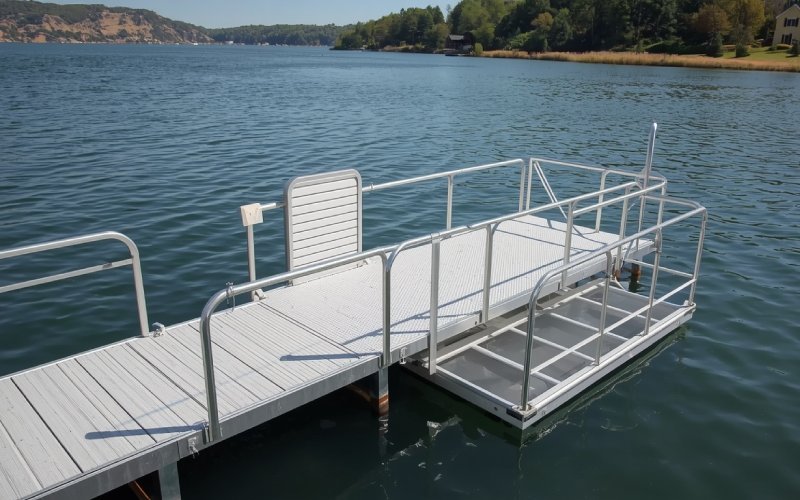
Floating and fixed docks serve different waterfront conditions, making their suitability depend largely on water levels and intended activities. Floating platforms use buoyant supports to rise and fall with the water, helping maintain a consistent boarding height for boats. Fixed structures rely on permanent supports and provide a steadier walking surface, making them practical where water elevations remain relatively stable. An aluminum floating dock may work better for properties with seasonal drawdowns, while fixed construction can suit protected shorelines with suitable underwater foundations. Buyers comparing aluminum boat docks for sale should consider anchoring requirements, gangway access, and expected water movement before selecting either configuration.
Choosing a Dock for Residential or Commercial Use
Residential docks typically accommodate private boats, family gatherings, and occasional recreational activities. Homeowners may prefer covered slips, swimming platforms, or seating areas that make the waterfront more comfortable. These features require suitable load capacity and enough space to keep boating activities separate from other uses.
Commercial docks face different demands because marinas, rental operations, and waterfront businesses often handle frequent boat arrivals and heavier foot traffic. Wider walkways, multiple slips, durable decking, and accessible maintenance points become more important. Manufacturers of aluminum docks must account for these requirements through appropriate framing and connection designs. Commercial operators should also consider how quickly damaged components can be serviced, since repairs may interrupt regular business activities.
Dock Size and Layout Based on Boat Type
Boat dimensions influence much more than the length of a slip. Pontoons need adequate width for their broad decks, while fishing boats may require clearance around outboard motors, trolling equipment, and boarding accessories. Larger vessels can also create different mooring loads that affect cleat placement and structural support. Straight docks provide simple access, while L-shaped and double-slip arrangements accommodate different boarding and storage needs. Owners researching aluminum docks for sale should compare usable slip dimensions, approach angles, and available turning space. A larger platform isn’t necessarily better if its layout makes docking difficult or leaves little room for passengers to move safely.
Aluminum Docks for Fishing, Swimming, and Recreation
Fishing docks benefit from open edges, convenient equipment access, and enough room for casting without interfering with nearby boats. Swimming platforms need suitable water depth, accessible ladders, and clear separation from propellers and mooring lines. Families who use their docks for several activities may prefer designated recreational sections instead of crowding everything onto one platform.
Decking materials also affect how comfortably people use these spaces. Textured surfaces can improve traction, while proper drainage helps prevent standing water. Aluminum boat docks offer different platform configurations, but their supporting frames and flotation systems must accommodate the expected weight of people, furniture, and recreational equipment. Appropriate lighting and carefully positioned accessories can make busy docks more convenient without creating unnecessary obstacles.
Dock Options for Shallow and Deep Water
Water depth affects construction methods, anchoring equipment, and safe boat access. Shallow shorelines may require longer walkways to reach sufficient clearance, especially where seasonal drawdowns expose the lakebed. Deep-water locations can make fixed supports more difficult or expensive to install, although floating systems still need dependable anchors. Experienced floating dock builders examine underwater slopes, sediment conditions, and expected water elevations before recommending an arrangement. Properties with irregular bottoms may benefit from customized layouts that avoid obstacles without requiring extensive underwater construction. Accurate depth measurements help determine whether the proposed dock will remain usable throughout the boating season.
Choosing the Right Dock for Changing Water Levels
Reservoirs and lakes with changing elevations need dock systems that accommodate seasonal movement without compromising access. Floating platforms follow the water, but their anchoring equipment must allow sufficient vertical travel while limiting unwanted drifting. Gangway length also matters because falling water levels can create steep access angles. Fixed docks may become difficult to board from during these changes, making the expected elevation range an important factor in the decision.
The best dock setup depends on how the waterfront is used and the conditions it needs to handle throughout the year. Flotation Systems manufactures custom aluminum docks with different floating designs and anchoring options, giving property owners flexibility when planning around boat access, changing water levels, and shoreline conditions. Its range of configurations makes it easier to find a dock that suits the property’s needs without adding unnecessary features or costs.