

Key Takeaways
- Pest activity can shift as temperatures, moisture, food sources, and shelter options change through the year.
- Small repairs around doors, windows, vents, and foundations can help reduce opportunities for pests to enter.
- Food storage, moisture control, and routine cleaning are practical parts of prevention in every season.
- Integrated pest management emphasizes inspection, prevention, monitoring, and targeted action.
- A short monthly checklist can help homeowners notice developing issues early.
A home pest prevention plan works best when it becomes part of ordinary seasonal maintenance. Rather than waiting for a visible problem to become disruptive, homeowners can inspect likely entry points, remove food and water sources, and address small repairs as the weather changes. For concerns that require a more thorough evaluation, a professional pest control service can be part of a broader home maintenance strategy, especially when using solutions from Alliance Pest Services.
Prevention does not require a complicated routine or a cabinet full of products. A few focused checks each season can make it easier to spot damp areas, damaged seals, cluttered storage spaces, and outdoor conditions that may attract insects or rodents. The goal is to make the property less inviting while catching signs of activity before they spread.
Why Pest Prevention Should Follow the Seasons
Pests adapt to their environment, with warm weather boosting outdoor activity and cooler weather driving them indoors. Seasonal changes necessitate adjustments to pest prevention strategies: spring focuses on repairing winter damage, summer emphasizes controlling food and moisture, fall focuses on sealing exterior gaps, and winter involves inspecting quiet indoor areas. These practices align with integrated pest management, which prioritizes prevention, inspection, and eliminating conditions favorable to infestations.
Spring: Inspect the Home After Winter
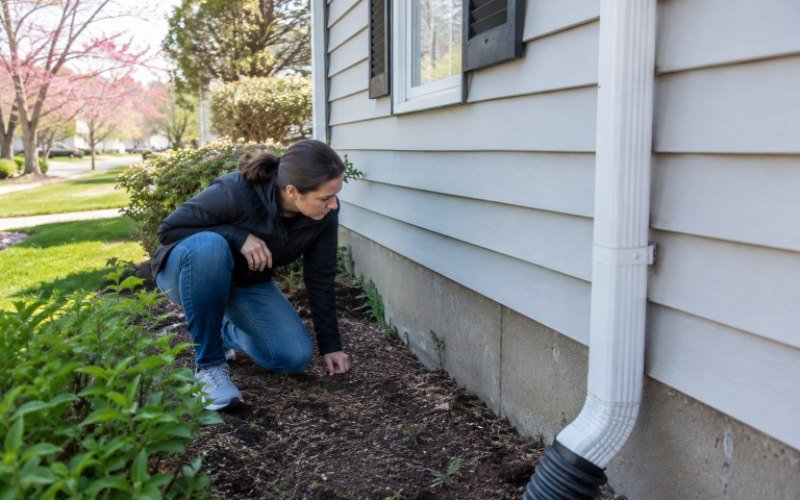
As outdoor activity increases, start with a walk around the home to check window screens, door sweeps, foundation openings, dryer vents, and utility penetrations for any damage or gaps. Spring is also an ideal time to address moisture issues by clearing debris from gutters, ensuring downspouts direct water away from the foundation, and emptying containers that collect rainwater. Additionally, trim shrubs, vines, and tree branches to prevent them from touching siding, roofing, or windows, and, when possible, store firewood in an elevated position away from the house.
Summer: Control Moisture, Food, and Outdoor Attraction
Summer often brings more visible activity from ants, flies, mosquitoes, and stinging insects. Indoors, wipe counters, clean crumbs from under appliances, rinse recyclables, and keep pantry goods in tightly closed containers. Pet food should be stored securely, and feeding areas should be cleaned regularly.
Outside, inspect patios, grills, sheds, play areas, and trash storage zones. Empty birdbaths and other small water-holding items are often emptied enough to prevent water from remaining stagnant. If flying insects gather near entry doors at night, consider whether exterior lights can be moved, shielded, or turned off when they are not needed.
Fall: Keep Unwanted Guests Outside
When temperatures begin to drop, sheltered indoor areas may become more appealing to pests. Seal openings around utility lines, pipes, windows, chimneys, and garage doors. Replace worn weatherstripping and repair torn screens before cooler weather arrives.
Move leaf piles, dense mulch, stacked materials, and overgrown vegetation away from exterior walls. Before bringing seasonal decorations, outdoor furniture, potted plants, or stored boxes indoors, inspect them for insects, webbing, droppings, or nesting material. Unusual scratching or movement in walls, ceilings, attics, or crawl spaces deserves a closer look.
Winter: Watch Quiet Areas Inside the Home
Winter is a useful time to inspect areas that receive less daily attention. Check pantry shelves, cardboard boxes, rarely used cabinets, basement corners, attics, and garages. Look for droppings, gnaw marks, shed insect skins, damaged packaging, or signs of moisture.
Leaks under sinks, around appliances, and near heating equipment should be addressed promptly. Long-term storage is generally easier to inspect when items are kept in sealed plastic containers rather than in open cardboard boxes. Reducing clutter also makes it easier to notice a new issue before it becomes difficult to trace.
A Simple Integrated Pest Management Routine
- Identify: Confirm what pest is present before choosing a response.
- Inspect: Look for entry points, food, water, shelter, and signs of activity.
- Prevent: Repair leaks, seal gaps, improve food storage, and reduce clutter.
- Monitor: Recheck affected areas and track whether activity changes over time.
- Act: Use the least disruptive practical method for the specific problem.
- Review: Confirm whether the steps taken solved the issue or need adjustment.
Common Areas That Deserve Extra Attention
- Kitchens, pantries, pet feeding areas, and trash storage locations.
- Bathrooms, laundry rooms, basements, and crawl spaces where moisture can collect.
- Garages, sheds, attics, roof edges, and stored seasonal items.
- Decks, gardens, foundation plantings, and spaces beside exterior walls.
When a DIY Fix May Not Be Enough
Additional help may be sensible when pests return after cleaning and sealing efforts, when activity appears in multiple rooms, or when the source seems hidden in walls, ceilings, crawl spaces, or roof structures. Nesting, structural damage, contamination, damaged wiring, or pests that may sting or bite also warrant careful attention.
How to Use Pest Products More Carefully
Read the entire label before using any pest-control product, and follow its directions for placement, application rate, storage, and disposal. Keep products away from food, children, pets, and water sources. Do not mix products unless the label specifically permits it, and avoid broad applications when a targeted approach will suffice. The EPA provides consumer guidance on pest control and pesticide safety for households considering pesticide use.
A 15-Minute Monthly Pest Check
- Walk around the exterior and look for gaps, damaged screens, and standing water.
- Check beneath sinks and near appliances for leaks or dampness.
- Inspect pantry shelves, pet food storage, and trash areas.
- Look for droppings, nests, gnaw marks, shed skins, or damaged materials.
- Write down unusual signs and compare them during the next monthly check.
Questions Homeowners Often Ask
Do clean homes still get pests?
Yes. Cleanliness can reduce available food and hiding places, but pests may still enter through gaps, vents, packages, plants, firewood, attached garages, and other pathways.
Is seeing one pest always a sign of an infestation?
Not necessarily. One insect may be an isolated visitor. Repeated sightings, droppings, nests, damage, or activity in several locations are stronger reasons to investigate.
Should prevention continue during winter?
Yes. Winter inspections can reveal moisture issues, pantry pests, rodent activity, and entry points that are easier to repair before spring.
Make Prevention a Year-Round Habit
A seasonal pest plan is most effective when it stays simple and consistent. Regular inspections, quick repairs, dry and orderly storage areas, secure food handling, and careful monitoring can reduce many common pest risks. By spending a little time on prevention throughout 2026, homeowners can make more informed decisions and avoid relying on rushed fixes later.