

As late spring transitions into early summer, Japan enters a distinct climatic period known as Tsuyu, or the plum rain season. Characterized by persistent gray skies, gentle downpours, and a dramatic surge in relative humidity, this month-long season transforms the environment both outdoors and indoors. While the lush rainfall breathes life into surrounding greenery and vibrant hydrangeas, it poses a subtle yet constant challenge inside the household, particularly within the kitchen space. Managing food safety, structural ingredient integrity, and culinary freshness during this period requires a shift in daily habits and a clear understanding of how ambient atmospheric moisture interacts with common pantry goods.
Understanding Tsuyu and Its Impact on Pantry Freshness
The Environmental Challenges of Japan’s Rainy Season
During the rainy season, relative indoor humidity frequently climbs well above comfortable levels, often hovering beyond seventy percent for weeks at a time. Kitchens become primary gathering zones for trapped moisture due to steam generated from boiling water, daily sink usage, and ambient atmospheric weather. Enclosed cabinets, deep lower drawers, and compact pantries offer very limited natural airflow, creating warm, quiet microclimates where humidity settles unobtrusively over stored ingredients. Materials that seem solid or completely dry under normal seasonal conditions quickly absorb airborne vapor, softening crisp snacks, dulling bright spices, and compromising paper or cardboard packaging long before expiry dates arrive.
How High Humidity Accelerates Food Spoilage
Elevated moisture levels act as a rapid catalyst for textural degradation and premature degradation in dry household staples. Fine granulated ingredients such as sea salt, raw sugar, and ground spices begin to clump together into solid masses as microscopic water droplets fuse their particles. Dried seaweeds, loose tea leaves, and roasted nuts lose their appealing crisp texture, taking on a muted consistency while losing their vibrant aromatic oils. Furthermore, high ambient humidity accelerates oxidation processes in oil-rich seeds and grains, leading to stale flavors and encouraging mold growth in unventilated cupboards if corrective measures are not promptly taken.
Strategic Kitchen Organization for Damp Weather
Maximizing Airflow and Temperature Stability
Preventing moisture accumulation within storage cupboards requires consistent air movement and thoughtful spatial arrangements. Storing containers too densely restricts natural ventilation, trapping pockets of warm, humid air around food packages whenever doors remain closed. Leaving intentional gaps between stored glass jars and storage boxes encourages ambient air exchange every time cupboards are opened. Additionally, positioning dry pantry goods away from heat-generating kitchen appliances—such as electric kettles, rice cookers, and ovens—helps maintain a cool, stable temperature profile that minimizes internal condensation within cabinets.
Choosing Impermeable Storage Containers
Transferring dry ingredients out of their original commercial packaging into robust, airtight containers is one of the most effective ways to combat seasonal dampness. Original thin plastic films and paper bags are designed primarily for transit rather than long-term resistance against high environmental moisture. Decanting pantry goods into heavy-gauge glass jars or food-grade plastic containers featuring silicone gasket seals creates an impermeable barrier against airborne water vapor. Container lids equipped with multi-point locking latches or vacuum-sealing mechanisms provide exceptional defense, while clear container walls allow for immediate visual inspections without needlessly exposing stored contents to humid ambient air.
Safeguarding Everyday Staples and Dry Goods
Preserving Rice Quality and Preventing Pests
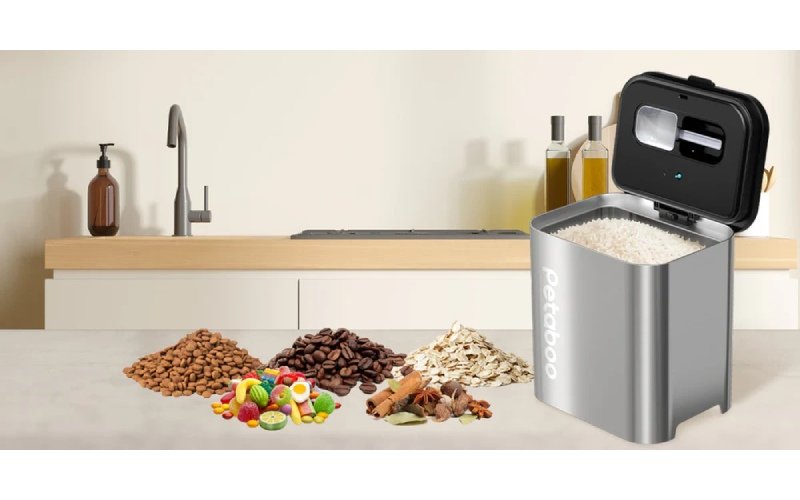
As a fundamental component of daily meals in Japan, rice requires extra care and specialized protection throughout the humid summer months. Milled grains absorb environmental moisture very easily, which alters their cooking texture, degrades natural sweetness, and creates favorable conditions for seasonal grain pests. To protect this vital staple from persistent humidity and maintain harvest-fresh flavor, transitioning to a dedicated 真空保存米びつ provides an ideal solution. By actively removing excess oxygen and sealing out ambient air, vacuum storage preserves the structural integrity of the grains, keeps moisture at bay, and guarantees that every cooked bowl remains perfectly fragrant and fluffy.
Keeping Spices and Seasonings Free-Flowing
Finely ground powders, dried herbs, and instant soup bases are exceptionally vulnerable to moisture due to their large combined surface area. Once exposed to damp indoor air, salt and sugar absorb moisture rapidly, making precise measuring difficult during cooking routines. Storing everyday condiments in sealable glass containers kept far from the immediate vicinity of the stovetop minimizes contact with steam. Additionally, avoiding the common habit of shaking spice bottles directly over boiling pots prevents rising steam from entering container openings, keeping seasonings dry, fragrant, and free-flowing throughout the season.
Cold Storage and Advanced Preservation Techniques
Optimizing Refrigerator Layout to Curb Condensation
While the refrigerator offers a cool refuge from room humidity, improper organization can inadvertently create localized condensation issues. Overcrowding shelves blocks interior cold air circulation, leading to uneven cooling zones and liquid droplets pooling on lower shelves. During warm and rainy weather, opening refrigerator doors frequently introduces humid ambient air, which instantly condenses on cooler surfaces and exposed fresh produce. Maintaining neat, spaced rows and using clear pull-out storage bins allows cold air to circulate evenly while keeping ingredients visible, drastically reducing the amount of time refrigerator doors stay open.
Flash Freezing for Long-Term Ingredient Freshness
Freezing serves as a highly reliable strategy for extending the shelf life of fresh produce that deteriorates quickly in warm, humid kitchen conditions. Aromatic vegetables such as ginger root, garlic cloves, scallions, and fresh herbs can be washed, thoroughly dried with paper towels, pre-chopped, and frozen in portioned amounts. Ensuring ingredients are completely moisture-free before freezing prevents ice crystal formation and protects original flavor profiles. Pre-portioning ingredients into flat, sealed freezer bags maximizes freezer space, simplifies weeknight meal preparation, and eliminates ingredient waste during damp weeks when countertop storage is impractical.
Cultivating Sustainable Habits for the Seasonal Shift
Implementing Weekly Audits and Inventory Rotation
Establishing a short, structured weekly check of cupboard interiors helps identify potential moisture issues before they result in wasted food. Taking ten minutes to inspect pantry corners, verify container seals, and check the condition of stored root vegetables keeps the kitchen organized and hygienic. Rotating older stock toward the front of shelves ensures that opened ingredients are used before newly purchased items, supporting smooth kitchen management. This mindful approach prevents forgotten items from lingering in dark corners, encouraging flexible cooking based on available supplies while keeping overall household waste to a minimum.
Embracing Seasonal Culinary Rhythms at Home
While managing high humidity requires intentional effort, the rainy season also presents a wonderful opportunity to enjoy comforting, nourishing home cooking. Utilizing properly stored grains, preserved dried seaweeds, and hearty root vegetables makes it easy to prepare satisfying soups, simmered dishes, and warm grain bowls that suit damp afternoons. With an organized pantry and reliable storage systems in place, the kitchen remains a clean, serene, and inspiring space throughout the plum rain season, allowing home cooks to embrace seasonal transitions with confidence and ease.