

Table of Contents
- The View Is Only the Beginning
- Start With the Land and Location
- Review Water, Septic, and Utility Systems
- Check Roads, Easements, and Emergency Access
- Look Closely at Wildfire Readiness
- Get Insurance Answers Early
- Calculate the Full Cost of Ownership
- Confirm Zoning, Permits, and Property Use
- Compare Communities by Daily Life
- Build a Step-by-Step Due Diligence Plan
- Questions Buyers Often Ask
- Make the View Part of the Decision, Not the Whole Decision
Sonoma County and the surrounding Wine Country offer a rare mix of vineyard views, oak-covered hills, historic homes, small-town streets, and room to breathe. Yet a purchase in Sonoma, Glen Ellen, Kenwood, Napa County, or Marin can involve considerations that are less visible than a beautiful kitchen or sunset-facing deck.
For buyers comparing those settings, Sonoma, CA real estate agents Shone Group offers a Sonoma-based real estate resource focused on residential, land, vineyard, historic, and other Wine Country properties. Shone Group serves Sonoma, Glen Ellen, Kenwood, Napa, and Marin, making local property conditions, access, acreage, and rural infrastructure especially relevant to the buying conversation.
The View Is Only the Beginning
A Wine Country home can deliver privacy, outdoor living, and a strong connection to the landscape. It can also come with private systems, older improvements, long driveways, seasonal maintenance, and site-specific risks. Before making an offer, look beyond staging and listing photography to understand how the property functions in everyday life.
1. Start With the Land and Location
Walk the land with the same care you give the house. Note the slope, drainage patterns, soil conditions, tree cover, sun exposure, retaining walls, and areas that appear damp or eroded. A dramatic hillside view can be paired with steep grades, limited usable yard space, or a driveway that is more demanding in heavy rain.
Also, look beyond the parcel lines. Nearby vineyards, farms, open space, tasting rooms, event venues, and undeveloped land can shape noise, traffic, privacy, and future surroundings. Visit at more than one time of day when possible, and consider a rainy-day visit if drainage or road conditions are a concern.
2. Review Water, Septic, and Utility Systems
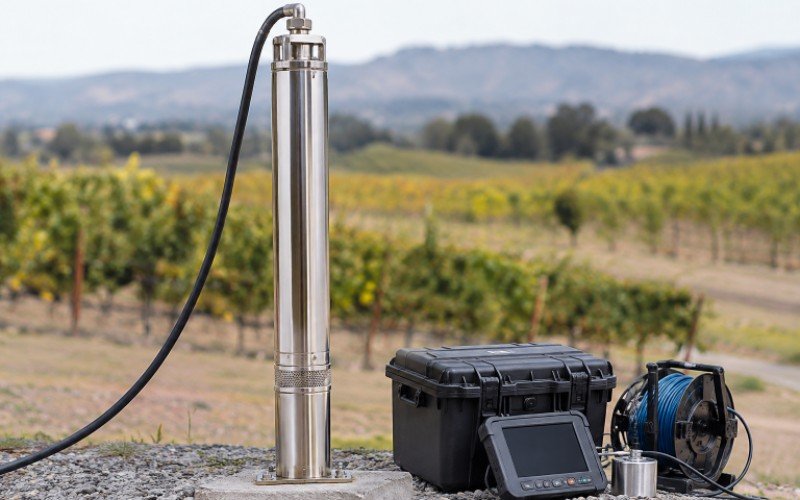
Determine whether the home uses municipal water, a local water district, a private well, or a shared well. For a well, request available flow-test and water-quality records, then ask a qualified professional what additional evaluation is appropriate for the property.
A septic inspection should address the tank, leach field, system capacity, visible condition, and maintenance history. Ask about propane, solar equipment, battery storage, generators, internet options, trash collection, and outage history as well. Private systems can be perfectly workable, but they require planning, records, and a realistic maintenance reserve.
3. Check Roads, Easements, and Emergency Access
Private roads and shared driveways deserve close review before contingencies are removed. Confirm who owns the road, who maintains it, whether recorded easements provide access, and how repair costs are allocated among users.
- Steep grades, narrow turns, potholes, washouts, and poor drainage
- Bridge weight limits or gates that affect service access
- Whether moving trucks, delivery vehicles, fuel suppliers, and emergency crews can reach the home
- Written road-maintenance agreements, if any
4. Look Closely at Wildfire Readiness
Wildfire planning belongs early in the due-diligence period. Review the roof, vents, windows, siding, decks, gutters, fencing, vegetation, and combustible materials near structures. Defensible space guidance from CAL FIRE explains how vegetation management and a buffer around a structure can reduce fuel exposure and create a safer working space for firefighters.
Request records for vegetation work, roof replacement, ember-resistant upgrades, inspections, and prior mitigation projects. Review evacuation routes, local alert systems, and the time it may take to reach a main road. A property’s fire preparation is not just a landscaping question. It affects maintenance planning, comfort, and insurance research.
5. Get Insurance Answers Early
Do not wait until the end of inspections to seek insurance quotes. Coverage availability, premiums, deductibles, and underwriting requirements can affect the overall budget and, in some cases, a lender’s requirements. Ask about replacement-cost limits, wildfire deductibles, water damage, liability, exclusions, and any required property improvements.
The California Department of Insurance residential insurance information advises consumers to compare policies and explains that the California FAIR Plan may be an option for people who cannot obtain coverage in the traditional market. Because FAIR Plan coverage can be more limited than a standard homeowners policy, buyers should understand the complete coverage arrangement before proceeding.
6. Calculate the Full Cost of Ownership
The purchase price and mortgage payment are only part of the picture. Build an ownership budget that accounts for the property’s systems and land, including:
- Property taxes, special assessments, and homeowner’s association fees were applicable
- Insurance, well testing, pump repairs, septic service, and propane
- Tree work, landscaping, erosion control, and private-road repairs
- Pool, outbuilding, fence, roof, pest control, and exterior maintenance needs
- Backup-power equipment and fuel storage, if desired or necessary
A smaller home with dependable infrastructure may be less expensive to own than a larger estate with deferred repairs, extensive grounds, or aging private systems.
7. Confirm Zoning, Permits, and Property Use
Compare what you see on the site with county records, seller disclosures, permits, and title documents. Ask whether guest units, barns, studios, pools, fences, wells, agricultural improvements, and additions were properly approved. Zoning and local rules can affect plans for short-term rentals, home businesses, events, agricultural use, remodeling, and future subdivision.
Qualified inspectors, title professionals, land-use advisors, and attorneys can help buyers assess boundaries, easements, restrictions, and contracts that may affect the property.
8. Compare Communities by Daily Life
Wine Country is not one uniform lifestyle. In-town Sonoma may offer a more walkable routine, while Glen Ellen and Kenwood can provide a quieter, more rural setting. Napa County and Marin County may offer different commuting patterns, terrain, services, and housing styles. Test a normal weekday drive to groceries, schools, health care, restaurants, airports, and work destinations instead of relying only on a weekend visit.
9. Build a Step-by-Step Due Diligence Plan
- Set a budget that includes repairs, insurance, utilities, and land care.
- Confirm financing and seek insurance estimates early.
- Review disclosures, permits, title records, easements, and boundaries.
- Schedule a general inspection and specialized inspections as needed.
- Evaluate water, septic, drainage, access, wildfire exposure, and emergency routes.
- Request missing records in writing and estimate repairs before removing contingencies.
Questions Buyers Often Ask
Is a Wine Country home harder to maintain?
It depends on acreage, terrain, age, landscaping, road access, and private systems. A well-maintained rural home may be manageable, while a larger property with older infrastructure can require more time and money.
Should buyers test a private well?
Buyers should review available flow and water-quality information and consult a qualified professional about appropriate testing. Understanding the water source and future repair considerations is essential.
Can wildfire risk affect financing?
Insurance availability may affect a buyer’s ability to meet lender requirements, so insurance research should begin early in the process.
Make the View Part of the Decision, Not the Whole Decision
The best Sonoma-area purchase balances beauty with practicality. Study the land, water, septic, access, wildfire readiness, insurance, permits, maintenance needs, and daily routine before committing. That deeper review helps turn a scenic Wine Country home into a property that remains enjoyable and manageable for years to come.