
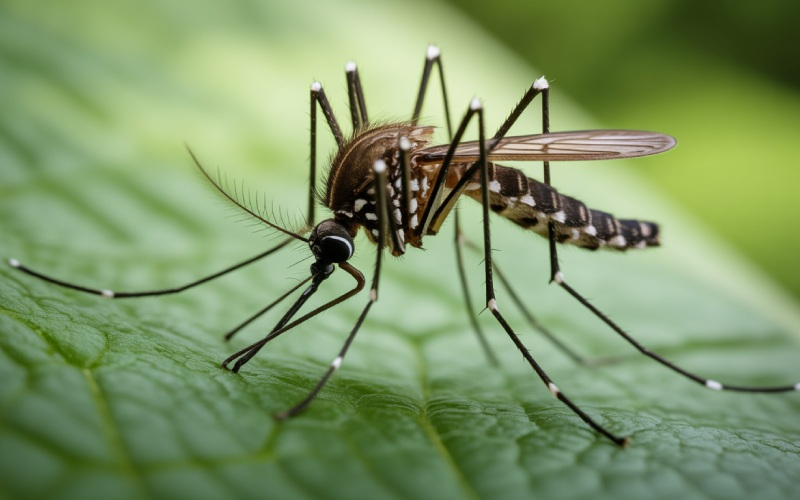

Mosquitoes, often regarded as one of the most dangerous animals on the planet, are responsible for the transmission of diseases such as malaria, dengue fever, Zika virus, and chikungunya. The global burden of these diseases is substantial, with millions of cases reported annually. As such, effective mosquito control is crucial for public health. Recent advancements have revolutionized the ways in which we can manage these pests, offering hope for reducing disease transmission and improving public health outcomes.
Traditional Mosquito Control Methods
Traditionally, mosquito control has relied heavily on chemical insecticides and environmental management. Insecticides such as pyrethroids have been used extensively to reduce mosquito populations. These methods, while effective initially, have led to the development of insecticide resistance in mosquito populations, making it necessary to seek alternative solutions.
Innovative Mosquito Control Technologies
In recent years, several innovative technologies have emerged that promise to improve the efficacy and sustainability of mosquito control efforts. Some of these advancements include:
1. Genetic Control
Genetic modification of mosquitoes is one of the most promising advancements in mosquito control. Techniques such as the release of genetically modified mosquitoes that carry a self-limiting gene can reduce mosquito populations by preventing offspring from reaching maturity. Additionally, the use of the Wolbachia bacteria, which interferes with mosquito reproduction, has shown great promise in reducing populations of Aedes mosquitoes, the primary vectors of dengue, Zika, and chikungunya.
2. Sterile Insect Technique (SIT)
The Sterile Insect Technique involves releasing large numbers of sterilized male mosquitoes into the wild. When these sterile males mate with wild females, no offspring are produced, leading to a reduction in mosquito populations. This approach has been successfully implemented in several countries and is seen as a sustainable and environmentally friendly control method.
3. Biological Control
Biological control involves the use of natural predators or pathogens to control mosquito populations. For instance, introducing fish species that feed on mosquito larvae into water bodies can significantly reduce the number of mosquitoes. Additionally, research is ongoing into the use of fungi and other pathogens to target mosquito populations specifically.
4. Smart Traps and Monitoring
Advancements in technology have led to the development of smart mosquito traps that can monitor and capture mosquitoes more effectively. These traps use sensors and artificial intelligence to identify specific mosquito species, helping to target control efforts more precisely. Furthermore, data collected from these traps can be used to map mosquito populations and predict outbreaks, allowing for proactive interventions.
Community Engagement and Education
While technological advancements are crucial, community engagement and education remain vital components of effective mosquito control. Educating communities about the importance of removing standing water, using mosquito nets, and applying repellents can significantly reduce the risk of mosquito-borne diseases. Furthermore, involving communities in control efforts ensures sustained success and local buy-in.
The Future of Mosquito Control
The future of mosquito control looks promising, with a combination of innovative technologies and traditional methods working together to combat these pests. As research and development continue, it is essential to consider the ethical and ecological implications of new technologies to ensure that mosquito control efforts are sustainable and beneficial to all.
For those looking for effective mosquito control solutions, it is advisable to seek professional pest control services. For local services, you can explore Pest control near me.
In conclusion, advancements in mosquito control are vital for protecting public health and reducing the burden of mosquito-borne diseases. With continued innovation and collaboration, we can look forward to a future with fewer mosquito-related health risks.